About the presentation:
With a global warming potential 273 times higher than carbon dioxide (CO₂), nitrous oxide (N₂O) has a significant impact on the climate. Since 1850, the atmospheric concentration of N₂O has risen by around 21% from 270 ppb to 326 ppb (parts-per-billion), mainly as a result of agricultural, industrial, energy and waste management activities. In 2023, global N₂O emissions amounted to almost 3 billion tonnes of CO₂ equivalents, with China, the USA and the European Union among the largest emitters. Against this background, there is an urgent need for strategies to remove and convert nitrous oxide from the atmosphere. The presentation identifies major emitters and quantifies their contributions to N₂O release. In addition, the physical-chemical principles of the greenhouse effect and the involvement of N₂O in the depletion of the ozone layer are explained. Finally, processes for converting nitrous oxide into harmless or usable substances are presented and energy-economic aspects of conversion to ammonia (NH3) as a central starting material for fertiliser production are discussed.
About the person:
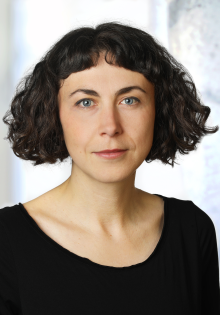
Jan Paradies has been Professor of Organic Chemistry at Paderborn University since 2014, specialising in metal-free catalysis, particularly with main group elements. He studied chemistry in Münster and Edinburgh, conducted research at the Massachusetts Institute of Technology (MIT) after completing his doctorate and habilitated at the Karlsruhe Institute of Technology (KIT) in 2014 in the field of organocatalysis.
Lecture series "UPB for Future"
For the fifth time, the Office of Educational Innovation and University Didactics is organising a joint lecture series on the topic of sustainability together with Prof. Dr. René Fahr 's department in the winter semester 25/26. The lecture series is entitled "UPB for Future" and is aimed at students of all disciplines and study phases, employees and interested members of the public. The ecological, social and economic dimensions of sustainability are addressed and discussed in weekly lectures.